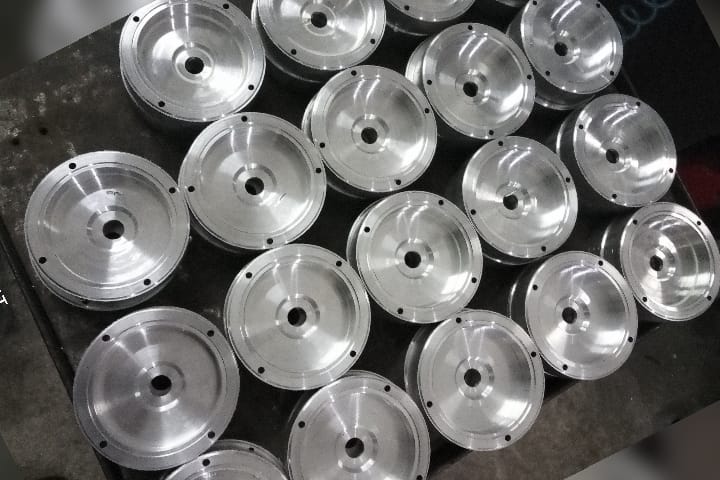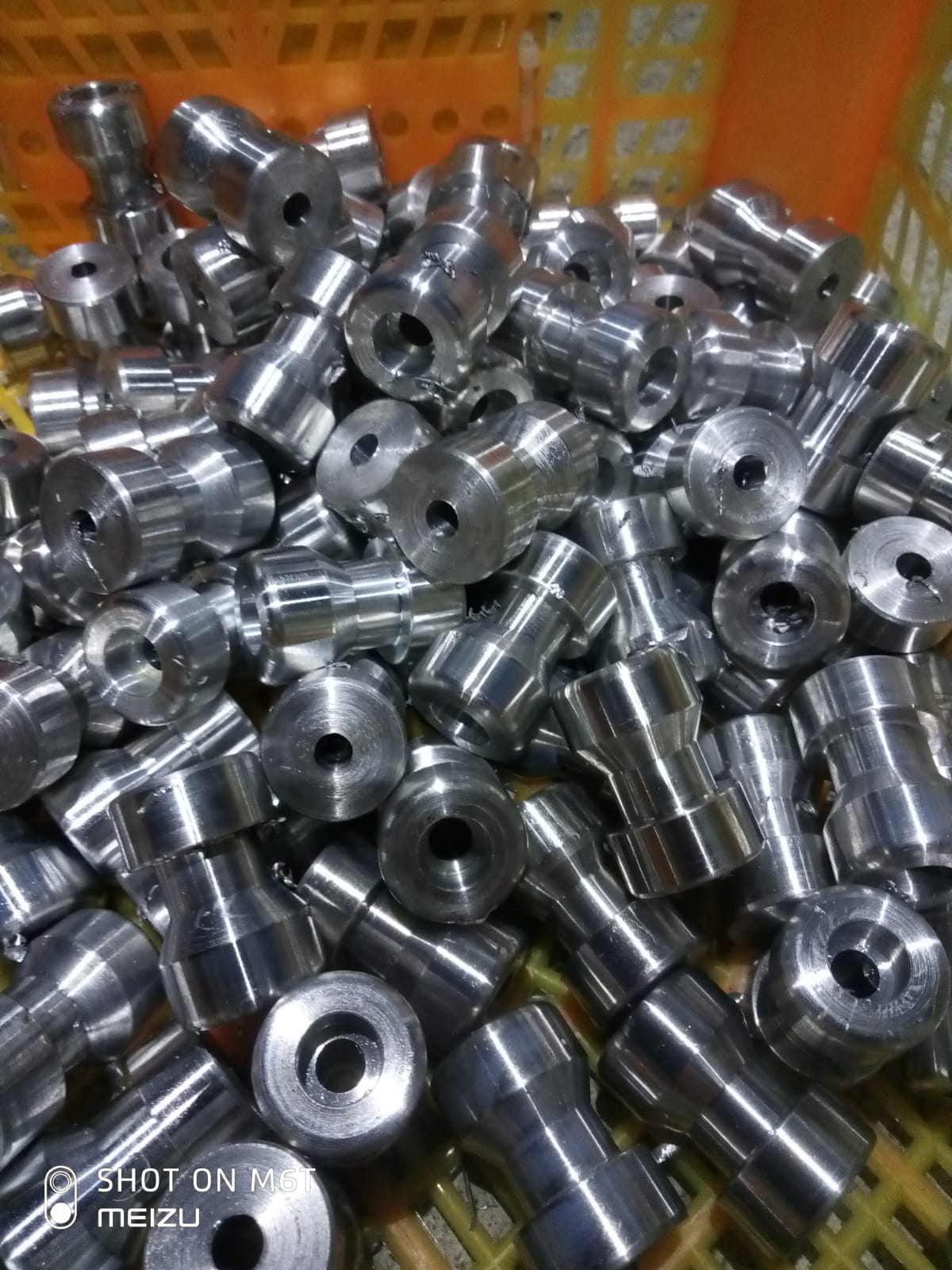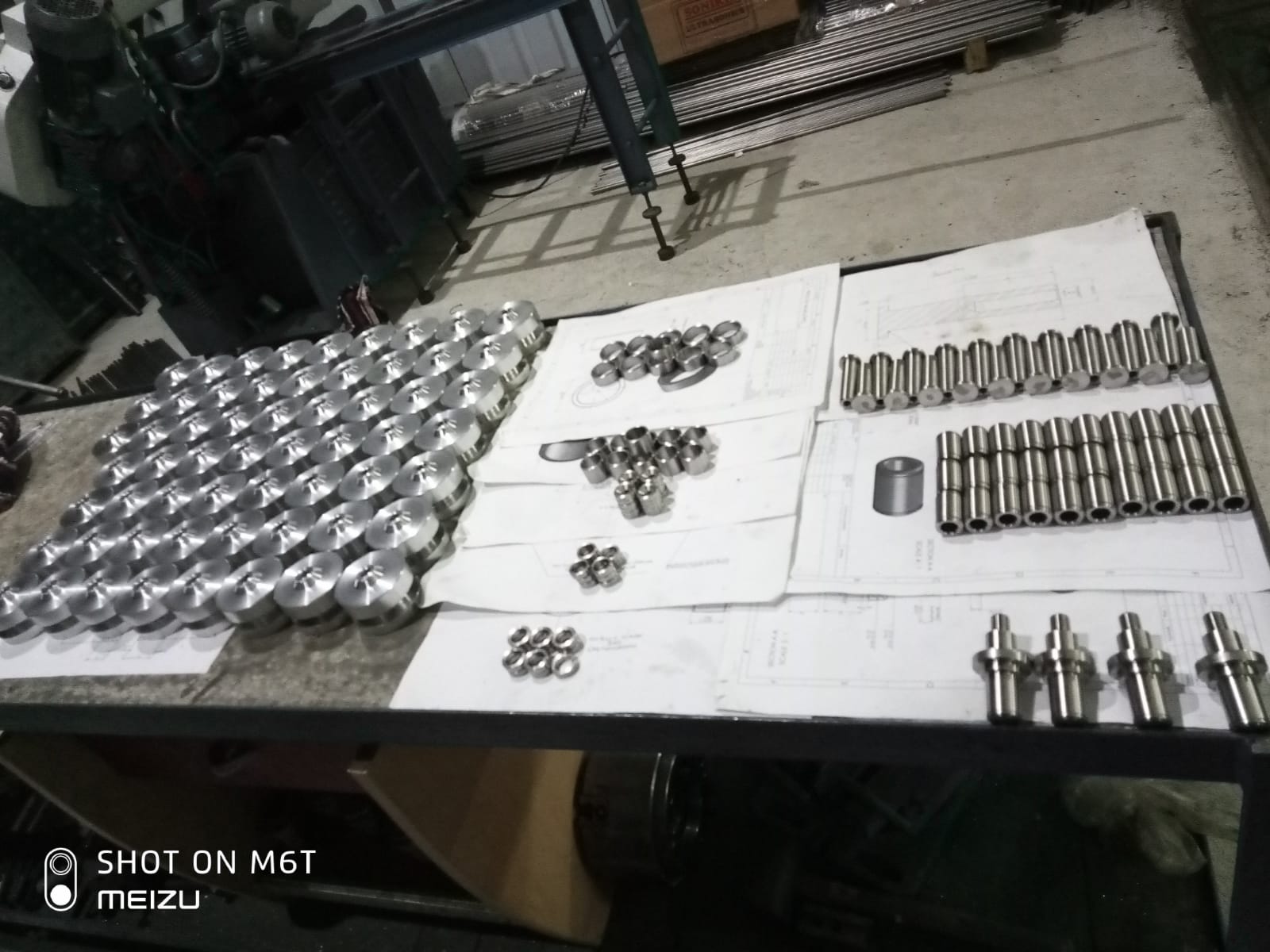
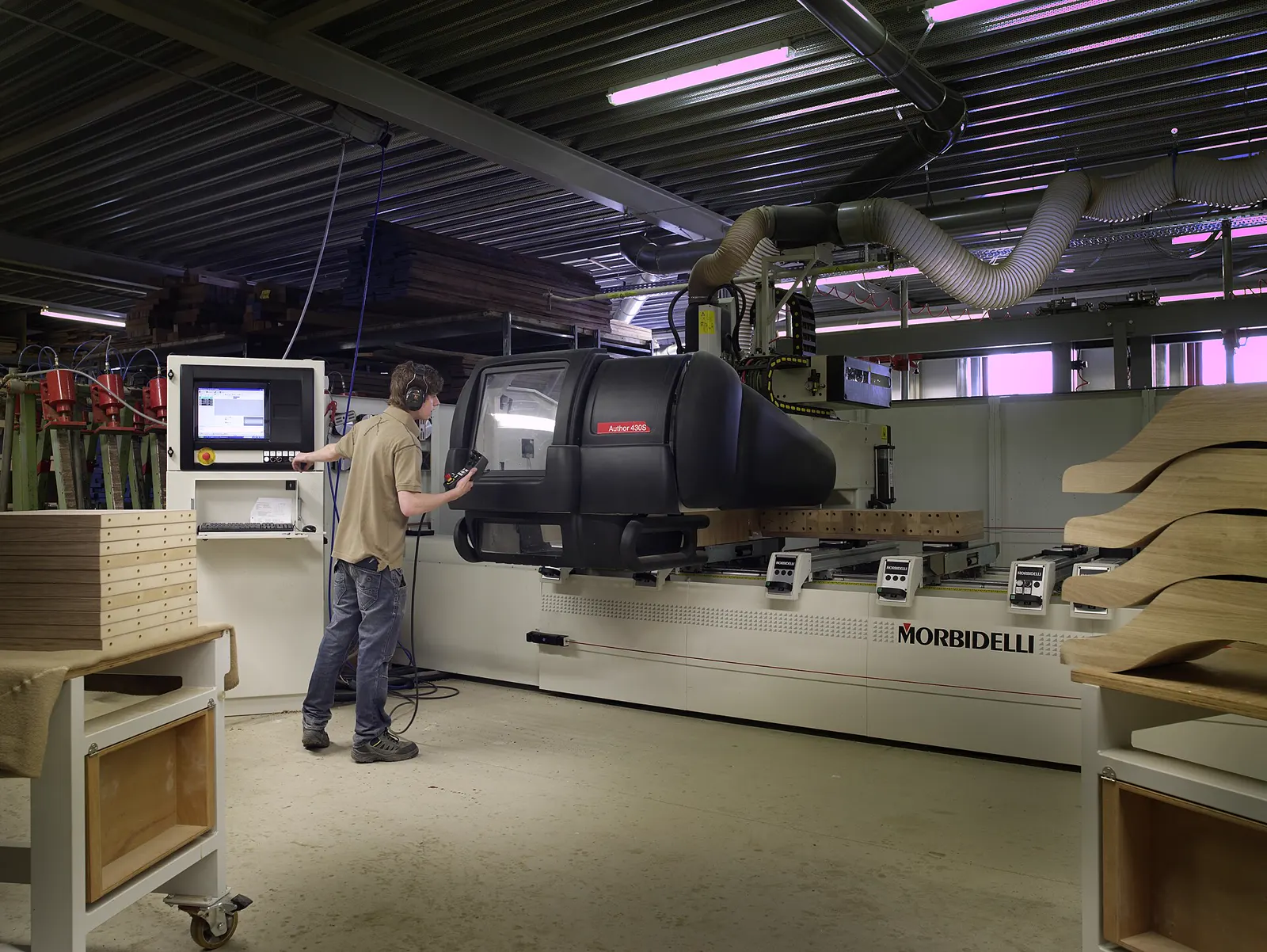
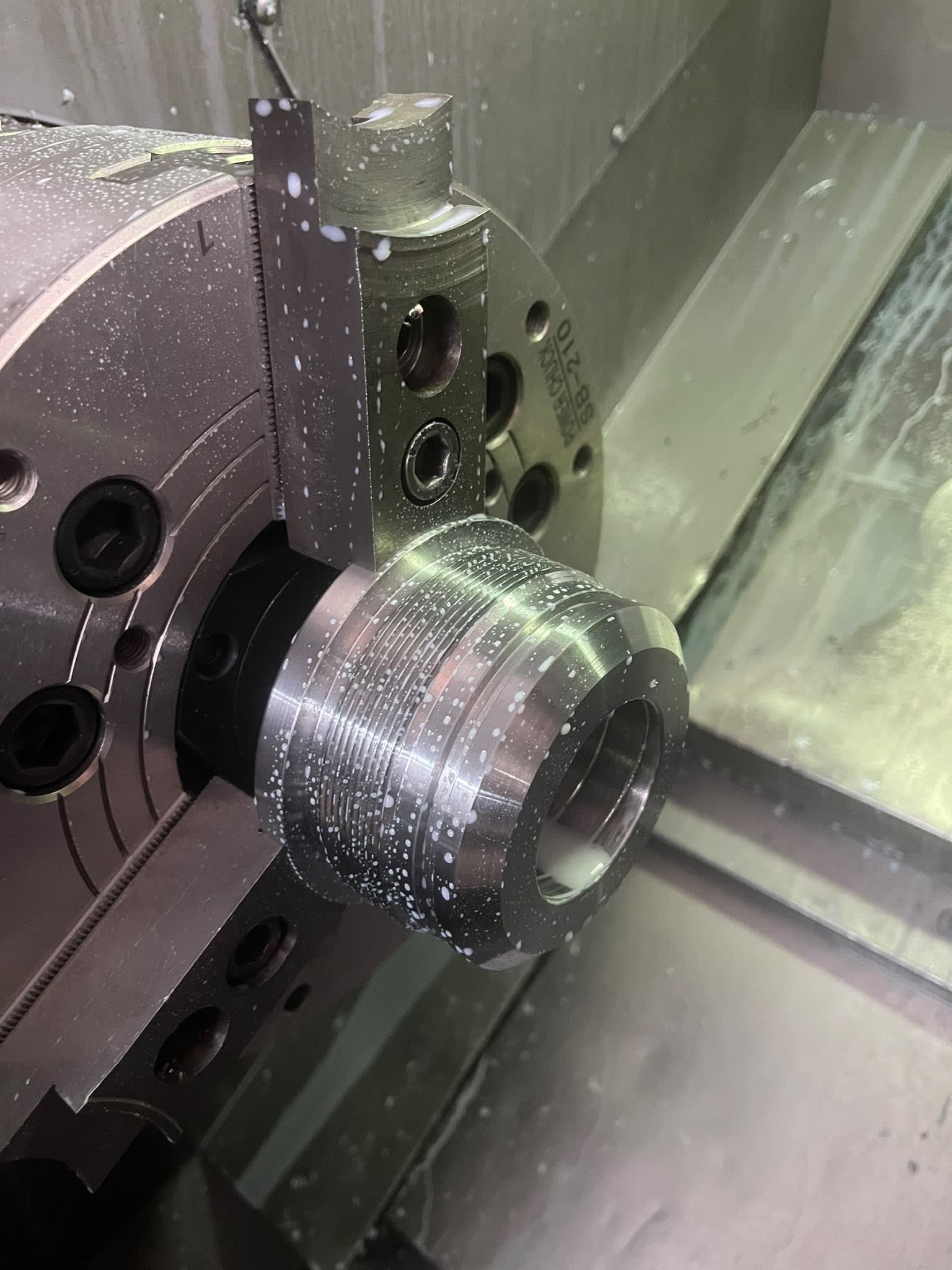
What is CNC turning and how does it differ from milling?
CNC turning removes material from a rotating part on a computer-controlled lathe to make cylindrical parts. Milling cuts a fixed part with a rotating tool.
Read the article
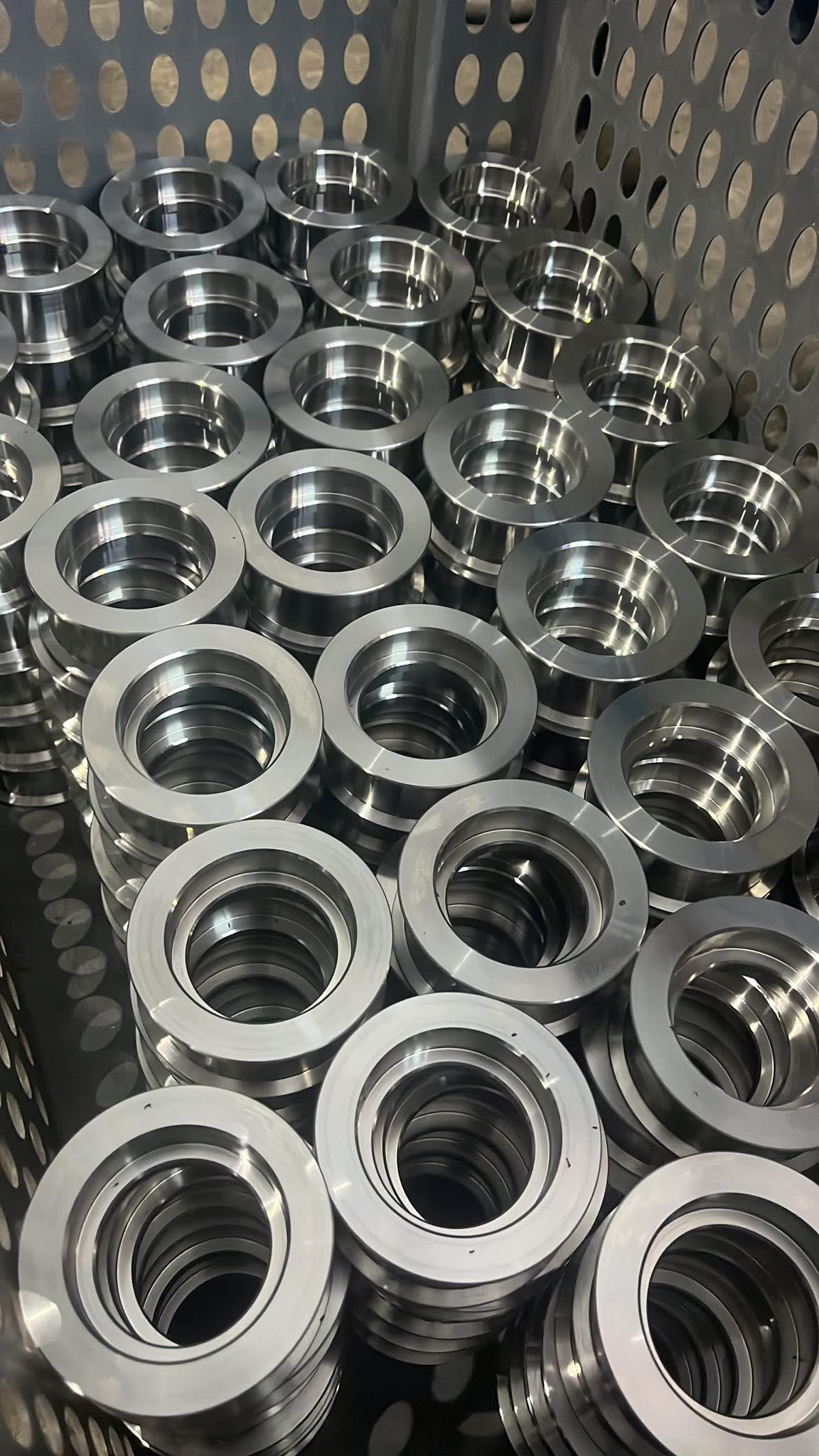
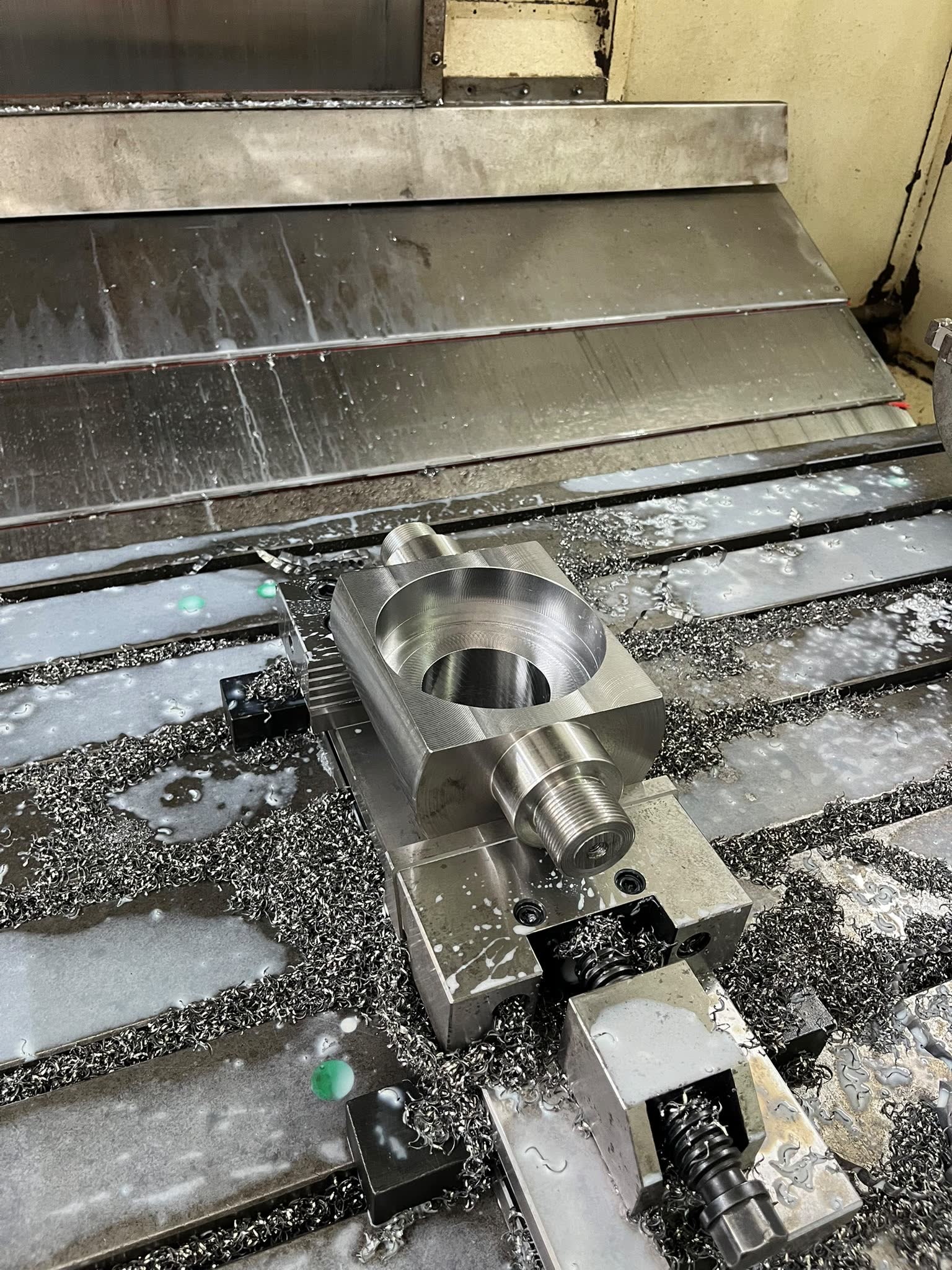
Short, useful notes on precision machining.
Short answers to the questions we get asked most in contract machining.
CNC turning removes material from a rotating part on a computer-controlled lathe to make cylindrical parts. Milling cuts a fixed part with a rotating tool.
Read the article
A CNC part price is built from material, stock removal, tolerance, quantity, number of setups and lead time. Setup dominates small batches; cutting time dominates large ones.
Read the article
Contract machining means having your parts made in a specialist shop instead of on your own machines. It starts with a drawing or sample and moves to series after first-article approval.
Read the article
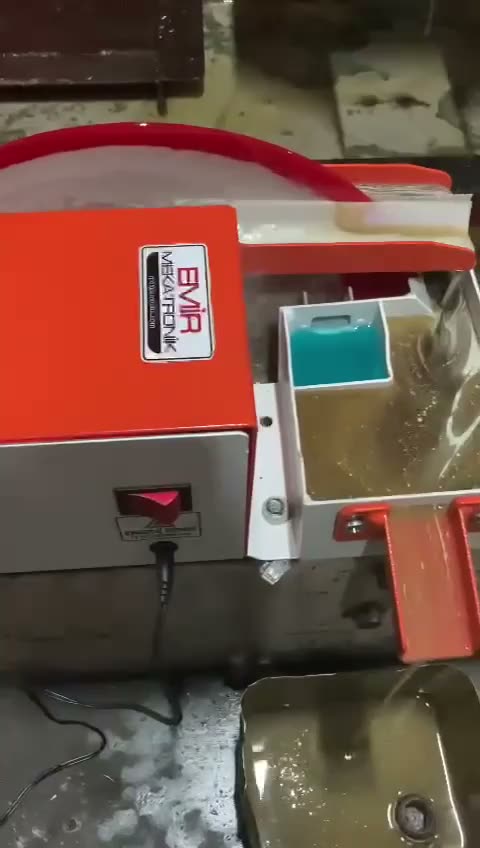
An oil skimmer continuously removes tramp oil from machine coolant; the emulsion stops smelling and lasts longer. Disc type suits shallow tanks, belt type suits deep ones.
Read the article
Controlling the angular position of a rotating part removes the need for a second machine.
Read the article
Sample-based production is the most common route in contract machining. It starts with a photo.
Read the article
Material choice looks at the duty before it looks at the price. The wrong choice makes a cheap part expensive.
Read the article
A tighter tolerance than needed does not improve the part; it only makes it expensive.
Read the article